

In cutting various materials such as metal, wood, and stone, the circular saw, with its rapid cutting speed and wide applicability, has become a “main force” in industrial production and daily processing. Using a high-speed rotating circular saw blade as its core cutting component, it can quickly cut large quantities of material while also handling cutting tasks requiring precision. It is a cutting device that balances efficiency and practicality, providing solid support for processing in various industries.

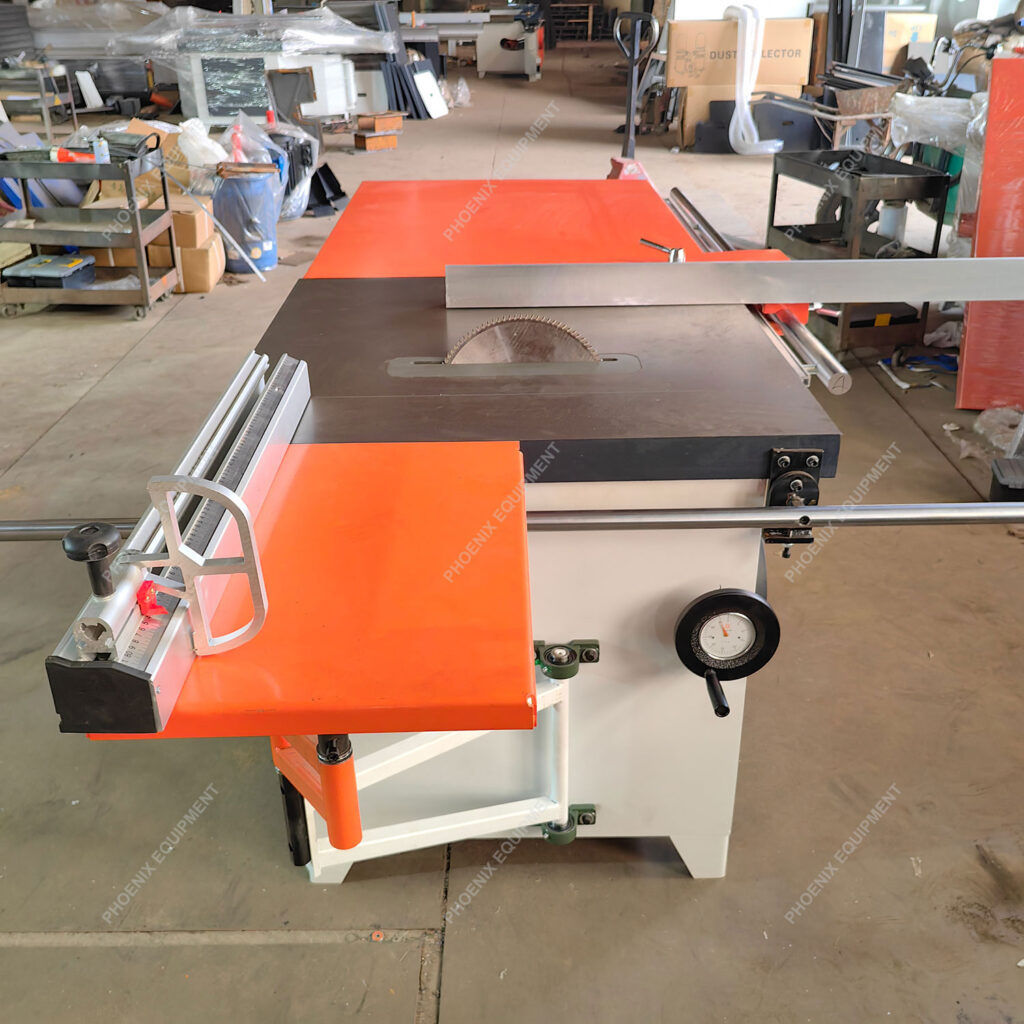
During cutting operations, the operator fixes the material to be processed on the workbench, adjusts the saw blade depth and workbench angle according to requirements, and starts the equipment, allowing the high-speed rotating saw blade to contact the material. The sharp teeth on the saw blade quickly cut the material, and as the material slowly advances, a straight cut is completed. Compared to vertical band saws, circular saws have the advantage of faster cutting speeds, making them especially suitable for batch cutting of long, large-area materials. Furthermore, by changing to different types of saw blades, they can easily switch between cutting various materials such as wood, metal, and plastic, offering exceptional flexibility. The performance advantages of circular saws are quite distinct. First, circular saws offer high cutting efficiency. The high-speed rotating saw blade can quickly cut materials, significantly shortening processing time, making them particularly suitable for industrial mass production. Second, they are highly versatile. By changing the saw blade, they can be adapted to cut various materials such as wood, steel, aluminum, and stone, reducing equipment investment costs. Third, they are easy to operate. Most circular saws have a simple structure, and adjusting parameters such as cutting depth and angle is convenient, allowing even beginners to quickly learn how to use them. Fourth, costs are controllable. The initial equipment cost is relatively low, and easily replaceable consumable parts such as saw blades are convenient and affordable, resulting in low subsequent maintenance costs. Today, circular saws are widely used in many fields. In construction and decoration, they are commonly used to cut materials such as timber, plasterboard, and aluminum panels. In furniture manufacturing workshops, they can be used to cut boards in batches, laying the foundation for subsequent processing. In the metal processing industry, they can cut small metal profiles. In the DIY craft field, small handheld circular saws are particularly popular among enthusiasts, allowing them to easily complete various material cutting tasks at home. With the continuous advancement of processing technology, circular saws have maintained their high efficiency while also continuously improving their precision and safety, thus consistently holding an important position in the field of cutting equipment.
