

In the fields of solid wood furniture manufacturing, wooden door and window processing, and classical woodcraft making, when it is necessary to process tenons or mortises (such as right-angle tenons, dovetail tenons, and square grooves) at both ends of wood simultaneously, the horizontal double-end mortise and tenon machine, with its core capability of “horizontal layout + simultaneous processing at both ends,” has become an indispensable piece of professional equipment. It breaks through the limitations of traditional single-end processing equipment, which suffers from low efficiency and difficulty in achieving consistent precision at both ends. Through two sets of symmetrical processing units, it can simultaneously complete the mortise and tenon processing at both ends of the wood, significantly improving production efficiency and processing consistency. It is a key tool for achieving standardized and large-scale production of solid wood components.
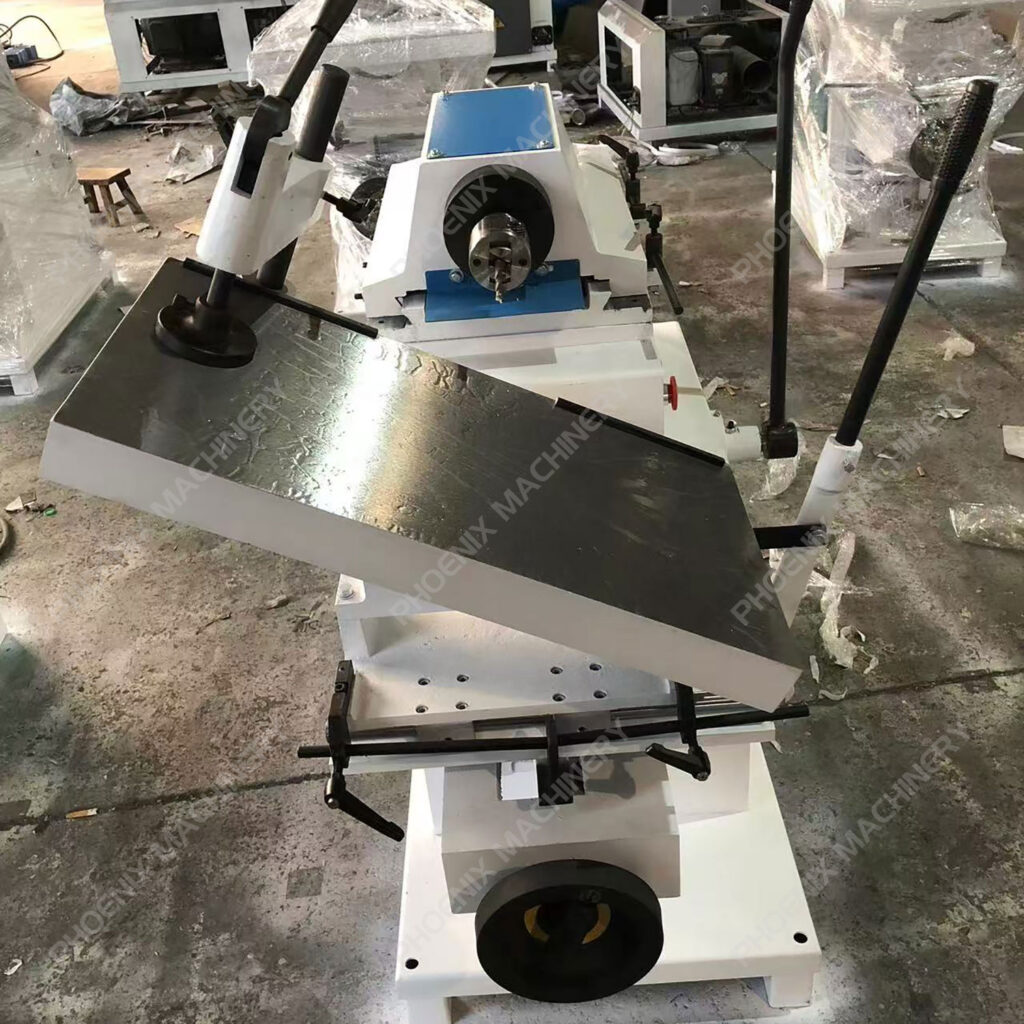
In terms of performance advantages, the core highlights of the horizontal double-end mortise and tenon machine lie in “simultaneous and efficient processing at both ends,” “high precision consistency,” and “wide adaptability.” In terms of processing efficiency, dual-end synchronous processing is 100%-150% more efficient than single-end equipment. For example, processing a 1-meter-long solid wood table leg requires two separate processing steps for the tenons at both ends, while the horizontal dual-end mortising machine can complete the process in one go, processing 80-120 standard workpieces per hour to meet mass production needs. Regarding precision consistency, the dual-end processing unit is controlled by the same CNC system, with tool adjustment accuracy ≤0.01 mm, ensuring that the tenon and mortise dimensions and positions at both ends of the wood are perfectly symmetrical. For example, processing the tenons at both ends of a solid wood door frame ensures a tight fit after assembly, avoiding gaps caused by errors at both ends. In terms of adaptability, the equipment can handle solid wood boards with lengths of 300-2000 mm and thicknesses of 20-100 mm, supporting right-angle tenons, dovetail tenons, and T-joints. This horizontal double-end mortise and tenon machine offers a variety of tenon and mortise types, including serrated and square holes, capable of stably processing both hardwoods (such as oak and walnut) and softwoods (such as pine and fir), meeting the processing needs of various solid wood components.

In terms of application scenarios, this machine covers the demand for mortise and tenon processing of multiple types of solid wood components. In solid wood furniture manufacturing, it can be used for processing the tenons at both ends of components such as table and chair legs, bed frame posts, and wardrobe frames, laying the foundation for mortise and tenon connections or screw splicing. In wooden door and window processing, it is suitable for processing mortise and tenon joints for door and window frames, such as processing dovetail grooves for wooden door frames to ensure a tight splice between the door panel and the frame. In classical woodworking, it can accurately replicate traditional mortise and tenon structures (such as straight tenons and shoulder tenons), aiding in the restoration and replication of classical furniture. Furthermore, in the processing of building materials such as wooden stair railings and balustrade posts, it can be used for processing connecting mortise and tenon joints at both ends of components, improving the stability and aesthetics of building material assembly.
As the solid wood processing industry demands increasing precision and versatility, horizontal double-end mortising machines are continuously being upgraded and optimized. This combination of “high efficiency and precision + intelligent upgrading” allows horizontal double-end mortising machines to maintain their competitiveness in the solid wood mortising field, providing strong support for promoting the standardization and high-end development of the solid wood processing industry.
